Tokenizing commodities: opportunities, risks and compliance requirements
20/11/2025
In the process of digitizing the supply chain, physical goods are being considered by many organizations as a suitable object to “Tokenize” (represent in the form of digital certificates). In Vietnam, the strengths in gold, coffee, pepper, cashews, seafood, rubber, etc. open up the possibility of researching more transparent models of quantification, inspection and traceability.
Why are goods suitable for the “Tokenize” move?
In the early stages of the digital asset market, commodities are often considered to be easily accessible due to a number of favorable characteristics: clearly quantifiable (weight, specifications), having a quality standard framework, having an international reference price list and a long history of circulation. The ability to store, inspect and physically compare also makes the construction of a backup/guarantee mechanism more operationally feasible.
In the context of Vietnam's strengths in gold, coffee, pepper, cashews, seafood, rubber, etc., the survey of commodity "Tokenization" models, if implemented correctly and within the legal scope, can support process transparency, optimize supply chain operations and expand market access for participating entities.
Operational principles & compliance should be given priority
When it comes to “Tokenizing” commodities, the key point is not only the technology but also how to control risks regarding:
Quantification & Pricing: weight, quality grade, reference price source and update mechanism to help represent numeric values maybe more transparent.
Storage & Inspection: standard warehouse (e.g. ISO/HACCP), independent inspection process, traceability records to help guarantee maybe reliable.
Reconciliation & provision disclosure: The model for transparent disclosure of the quantity of goods guaranteed (Proof-of-Reserve) needs to be carefully designed, linked with periodic auditing/control.
Technical infrastructure: data oracle, inventory history recording, goods status change log... need to meet safety, availability and anti-interference requirements.
Legal compliance: all implementation steps should reference applicable regulations and/or sandboxes where available;.
Reference case: for gold
RWA-oriented businesses may ask about tokenizing gold. Gold has the characteristics of being standardized, having an international reference market, and being easy to store. From a modeling perspective, the general operating process can be visualized as follows:
Physical gold is inspected and stored according to standards announced by the depository unit.
Based on the inspection and inventory records, a representative “tokenize” is formed according to the reference ratio (e.g. 1:1).
Any transfer/exchange between “digital certificates” and physical gold — if any — should clearly describe the conditions, procedures and limitations.
Independent audit and guarantee information may be published periodically.
However, gold is a more special asset than other common assets. Therefore, it is necessary to pay attention to complying with the relevant legal framework (when there are specific regulations) and attach importance to the R&D process and risk control before considering actual operation.
Case study: coffee and the story of supply chain standardization
Vietnam is a leader in Robusta, but the supply chain is fragmented, prices are volatile, and access to capital is difficult. At the model level, “Tokenize” coffee maybe support:
Batch standardization (moisture, classification, grade, weight) associated with traceability codes.
Form “tokenize” representing small units (e.g. 1 kg), facilitating transactions/exchanges within the allowed range.
Support for stakeholders (farmers, warehouses, processing/exporting enterprises) maybe Optimize cash flow and inventory management, subject to regulations.
CoffeFi is intended as a research project on digitalizing coffee shipment representation and connecting data between producers – warehouses – businesses. Any extended financial functions (e.g. using digital certificates for loans, rewards…), if any, will only be considered within a suitable testing framework and with approval from the competent authority.
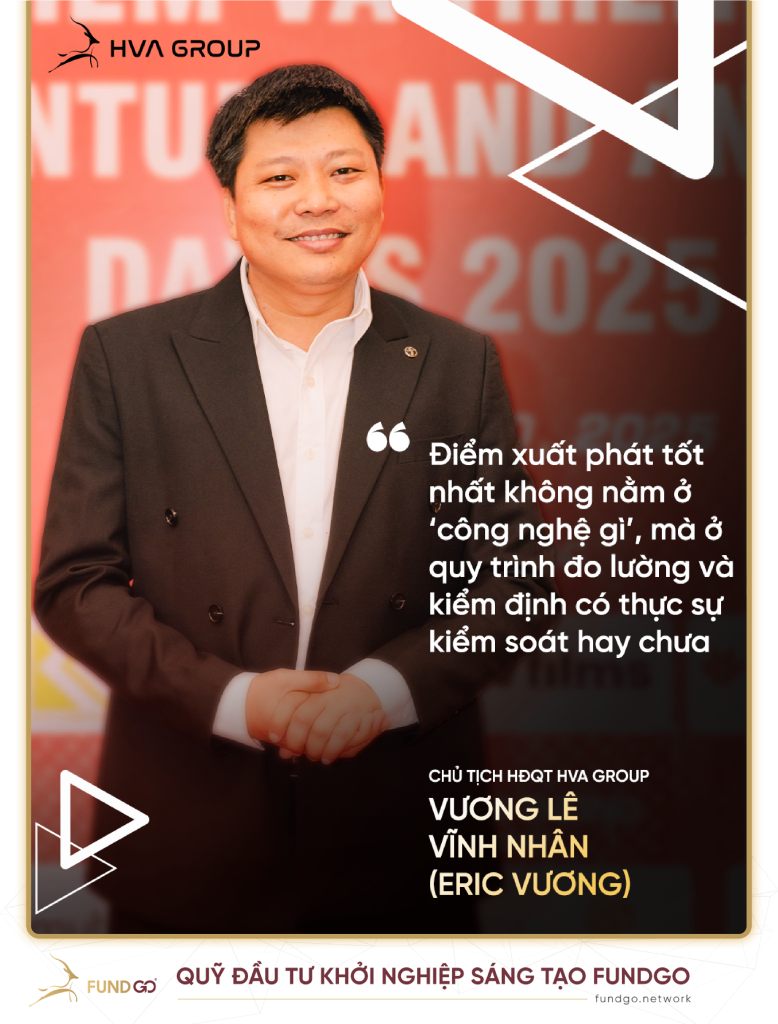
“The best starting point is not in 'what technology', but in measurement and testing process Is it really under control?” — Eric Vuong
Potential benefits and material risks
Potential benefits
Operating liquidity: Commodity flows can be exchanged more flexibly according to actual demand, instead of depending entirely on seasonal/contractual cycles.
Quality transparency: Each shipment is equipped with inspection records, storage history and traceability codes, helping to reduce fraud.
Market connection: unified data standard maybe help Vietnamese businesses access international partners more conveniently.
Key risks
Legal & Classification: adhere to the legal framework to choose the appropriate approach, avoiding implementation outside the scope of testing or licensing.
Warehouse operations & escrow: difference between reported and actual inventory, inspection error, storage risk.
Data & Oracle: update errors, data manipulation, or single source dependence.
Conclusion
“Tokenizing” commodities, when approached properly and within the right framework, can become a way to improve supply chain operational efficiency, strengthen quality transparency and open up more flexible ways of connecting markets. HVA chooses a compliance-transparency-prudence approach, focusing on operations and risk management, and only considers financial features as research content until appropriate legal guidance is available.
This series of articles is for sharing knowledge and information, not for investment recommendations or financial product offerings, not for legal analysis or predictions, but focuses on sharing about technology, economics, and investment. The contents referring to regulations, if any, will be written based on existing legal principles, the parts without detailed regulations will be explained and mentioned based on experience in countries that have implemented them in practice. Readers need to proactively read and understand the current policies and legal framework of Vietnam through official documents; at the same time, need to comply with the current legal framework and only operate when specifically licensed, cautiously and responsibly towards the State, community, and society.
In the early stages of an undemarcated market, the advantage usually lies with the fastest mover. But once the rules of the game begin to be established, market logic changes completely. The advantage no longer belongs to the fastest runner, but to those who can build the infrastructure and control the risks.
Not only through speculation, the multi-million dollar assets of Vietnamese entrepreneurs in the digital asset sector are formed from technology products. Vietnam is currently among the countries with a high level of participation in the digital economy and digital assets in Asia. It is estimated that approximately […]
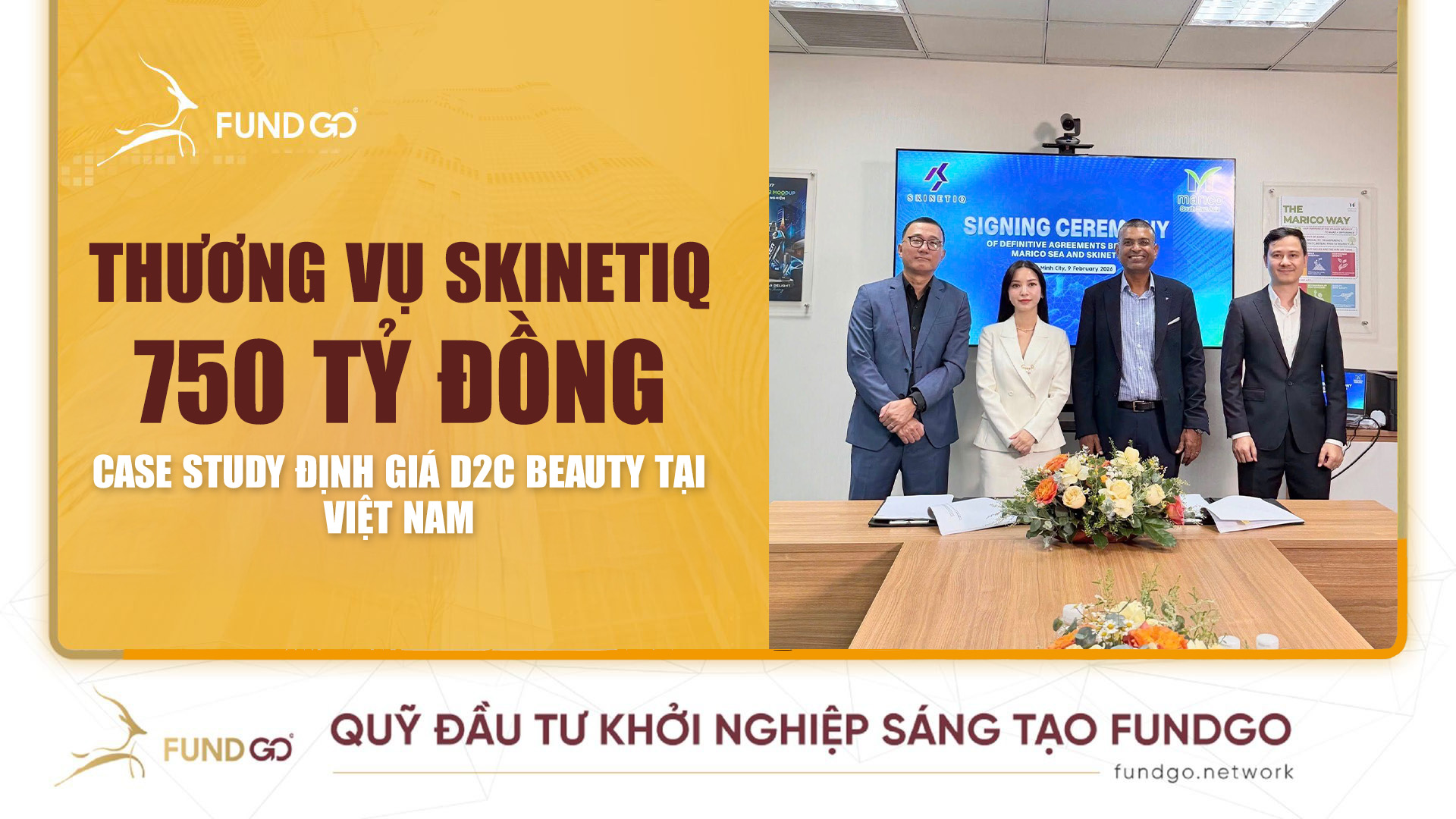
The Vietnamese M&A market has just seen another deal significant enough to prompt investors and D2C founders to pause and analyze: Indian conglomerate Marico Limited spent approximately VND 750 billion to acquire 75% shares of Skinetiq, a company co-founded by Hannah Nguyen. If we deduce this, then […]
The collapse of JWR shows that not all platforms claiming to be "gold investments" are based on the same value foundation. When comparing JWR and HanaGold within the same frame of reference, the differences become clear, stemming from the nature of the product, the risk management mechanism, and so on.
The recent collapse of the JWR gold investment app in China has become one of the biggest shockwaves for the region's financial markets. With estimated losses exceeding 10 billion yuan, equivalent to approximately $1.4 billion, […]
In recent years, Real World Assets (RWA) has been seen as a new approach to applying technology to asset management, cash flow transparency, and optimizing capital connectivity. Globally, many independent studies have noted the growth rate […]
In the digital transformation of the financial and business markets, many organizations worldwide are seeking models that make physical assets transparent, easy to track, and convenient for governance and capital management. Among them, RWA (Real World Assets) stands out...
In the period 2024–2035, digitizing data related to assets, benefits and cash flows in a verifiable, automated and risk-controlled way is considered the direction many organizations in the world are researching. However, not all models “bring data […]
In the global capital market structure, the typical recurring cash flow asset group, bonds, is often considered the stable foundation of many portfolios. In Vietnam, after a period of rapid growth and then strong adjustment, the need for “transparency – standardization – number […]
Creative innovation is entering an era where the core value lies not only in the original work, but also in the exploitation rights that can be extended over time and space. From music, movies, fictional characters to images, designs, content […]